
Berita terbit
Lenovo Yoga Pro 7a Turns Strix Halo Into a Creator Laptop, Not Just a Gaming Showcase
June 15, 2026
Summary: Lenovo's Yoga Pro 7a is now appearing as a live global product after its March 2026 announcement. The useful change is not the Copilot+ label. It is that AMD's Strix Halo platform is moving beyond niche gaming machines and into a 15.3-inch creator laptop with pen support, a Force Pad, and an official starting price of EUR 2499. That makes the launch more interesting for artists, video editors, and local AI users, but the price is still high and the real value will depend on thermals, battery life, and app support.
What Changed
Lenovo first announced the Yoga Pro 7a in early March with June 2026 availability. It has now moved from announcement status into Lenovo's live product system, which makes the launch more concrete than it was at MWC.
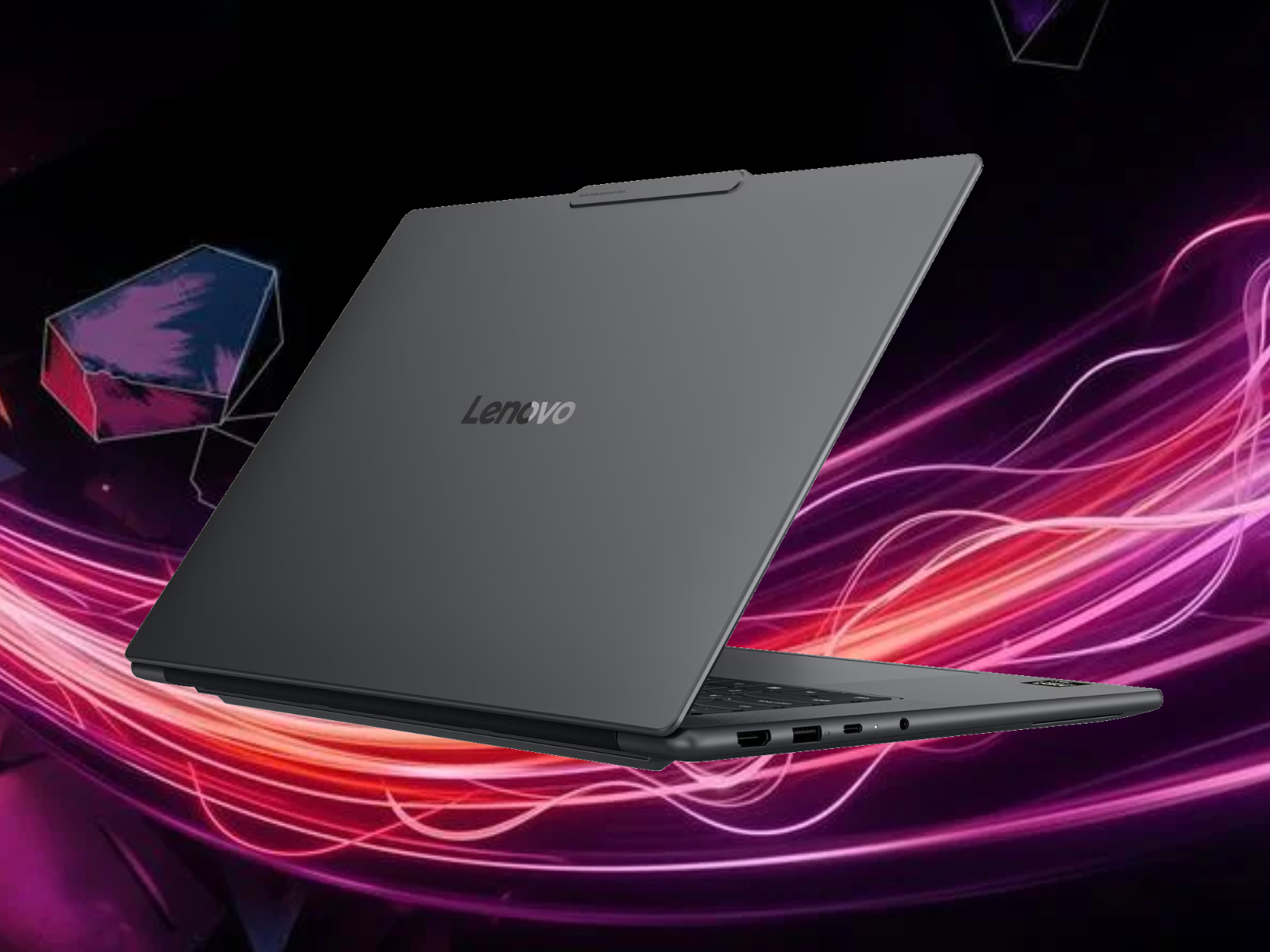
The hardware is notable because it combines an AMD Ryzen AI Max+ 388 processor with Radeon 8060S graphics and up to 128GB of unified memory in a thinner creator-style Yoga design. Lenovo also positions it around creative input, not only raw specs, with Yoga Pen Gen 2 support and a Force Pad that can work as a drawing surface. The screen is a 15.3-inch 2.5K OLED panel, and current listings point to a 165Hz refresh rate, up to 1100 nits in HDR, an 84Wh battery, and room to assign a large part of system memory to graphics tasks.
There is also a clearer product role now. Compared with the Legion 7a, which uses the same AMD platform and starts lower at EUR 2000, the Yoga Pro 7a is the creator-focused version. It trades the gaming identity for pen input, a more work-oriented pitch, and a higher entry price.
Why It Matters
The real news here is not another AI laptop label. It is that a powerful unified-memory AMD platform is now being used in a mainstream premium creator notebook instead of staying mostly in gaming-style products.
That matters for buyers who edit photos, cut video, draw, or run local AI tools and want strong integrated graphics without moving straight to a heavier discrete-GPU machine. A large shared memory pool can help in workflows where GPU memory limits usually become the bottleneck first.
There is still a good reason to stay careful. Shared-memory Radeon graphics are not the same thing as having a discrete RTX laptop in every app, especially in software that depends on CUDA or in long sustained renders where cooling matters more than launch specs. At EUR 2499, Lenovo also leaves little room for a weak battery result or noisy performance under load.
Practical Takeaway
The Yoga Pro 7a looks most relevant for creators who want one machine for drawing, editing, and heavier local workloads, and who like the idea of large unified memory more than the idea of carrying a bulkier workstation.
It looks far less relevant for students, office buyers, or anyone shopping mainly by value. If your work depends on CUDA-specific apps, or if you can get a similarly priced creator laptop with a stronger discrete GPU and proven cooling, this Yoga may not be the safer buy. If Lenovo keeps real-world performance close to the launch promise, though, it could become one of the more practical uses of Strix Halo outside gaming.
Editorial process: Prepared from official source materials and secondary reporting, then edited under Notebook Center publishing standards.