
Berita terbit
Schenker's Element 16 Makes Repairability the Real Upgrade, Not Just Panther Lake
August 20, 2026
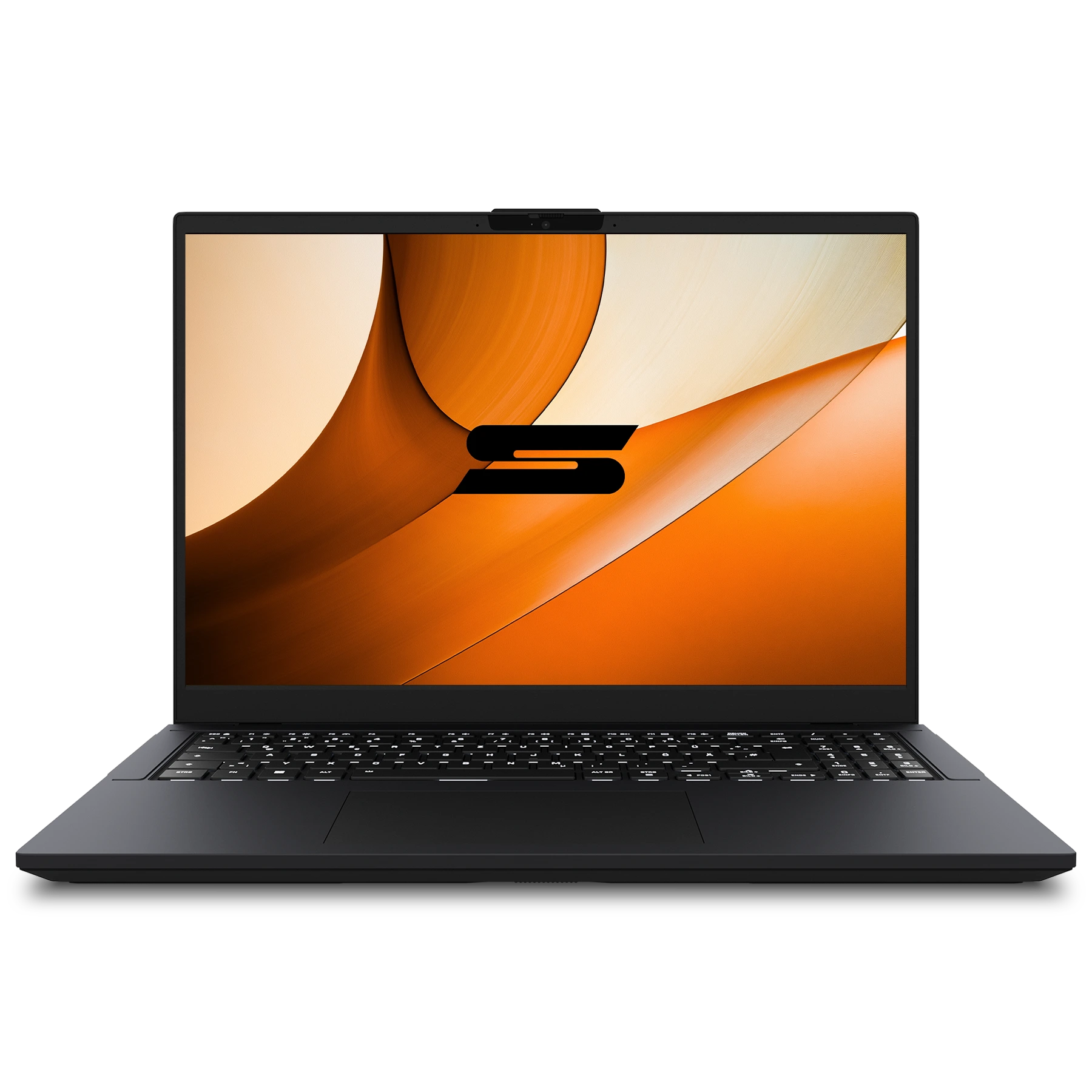
Schenker has opened orders for the Element 16, and the practical story is not only a move to Intel's new Panther Lake platform. The bigger change is that this 16-inch notebook pushes repairability and port modularity into a thinner mainstream work-laptop class where those features are usually treated as low priority.
What Changed
Schenker started selling the Element 16 on August 12, 2026, with expected availability at the end of August. The official configuration list starts at 1,499 euros and goes up to Intel Core Ultra 7 356H, up to 72 GB of memory, up to 8 TB of SSD storage, a 16-inch 2560 x 1600 120 Hz display, Wi-Fi 7, Thunderbolt 4, and a 72 Wh battery.
The more unusual part is the chassis design. Instead of treating service access as an afterthought, this model uses a screwless quick-release bottom cover and separate I/O boards, while the battery, keyboard, touchpad, fans, RAM, and SSD can be replaced. That is a concrete difference from many thin 16-inch productivity laptops in the same class, where ports and memory are often fixed and repairs become more expensive after the warranty ends.
Why It Matters
The practical angle here is lifespan, not AI branding. A laptop that can take a battery replacement, storage upgrade, or port repair more easily can stay useful longer, especially for office buyers, students, and small teams that keep machines for four to six years instead of replacing them on a short cycle.
There is still a clear limit. This is only a partial modular design, not a fully open upgrade platform, and the graphics side remains integrated Intel graphics rather than a discrete GPU option. Battery life and long-term thermals also still depend on independent testing, so buyers should not treat the repair-friendly design as proof that every part of the laptop is automatically a class leader.
Practical Takeaway
If you want a mainstream 16-inch work laptop, the Element 16 is interesting because it brings easier repair and port replacement into a thinner category where those features are usually weak. If you mainly care about gaming or heavy creator performance, the same price range may still point you toward a machine with stronger graphics and less emphasis on serviceability.
Who should care: buyers who keep laptops for years, IT-minded users who upgrade storage or memory later, and anyone tired of treating a worn battery or damaged port as the end of a notebook's life. Who should care less: buyers who need top-tier GPU power today or shoppers outside the laptop's current main sales regions.
Editorial process: Prepared from official source materials and edited under Notebook Center publishing standards.